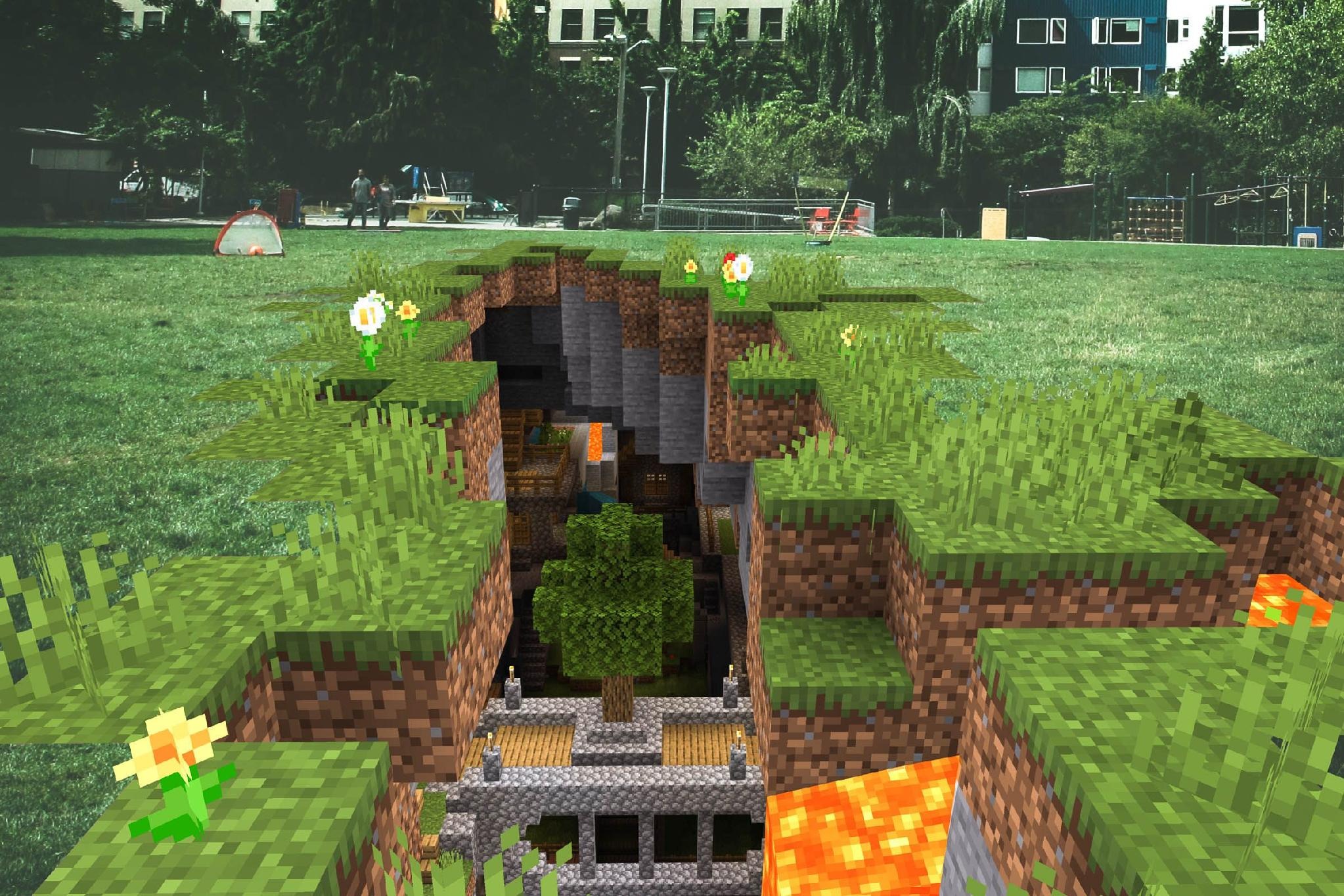
Adventure games trends 2026 point toward a transformative year for the genre. Developers are pushing boundaries with smarter AI, bigger worlds, and deeper player agency. The adventure game category has always thrived on story and exploration. Now, new technology is amplifying both elements in ways that felt impossible just a few years ago.
This article breaks down the key adventure games trends 2026 will bring to players. From AI-generated storylines to virtual reality integration, these shifts will reshape how gamers experience their favorite genre. Whether someone prefers classic point-and-click adventures or sprawling action-adventure titles, there’s something significant on the horizon.
Table of Contents
ToggleKey Takeaways
- Adventure games trends 2026 highlight AI-driven storytelling that creates unique, adaptive narratives based on each player’s choices and behavior.
- Open-world exploration is shifting toward quality over quantity, with dense, hand-crafted content rewarding player curiosity.
- VR and mixed reality integration will become a standard option in adventure games, offering enhanced immersion without excluding traditional players.
- Consequence systems now ripple across entire game worlds, making player decisions feel genuinely impactful over multiple acts and playthroughs.
- Community-driven consequences in online adventure games allow collective player choices to shape shared world events.
- Procedural generation combined with human oversight delivers expansive worlds that still feel intentional and meaningful.
AI-Driven Storytelling and Dynamic Narratives
Artificial intelligence is changing how adventure games tell stories. In 2026, players will encounter narratives that adapt in real time based on their actions, dialogue choices, and play style. This goes far beyond pre-scripted branching paths.
Traditional adventure games offered multiple endings, but the journey between start and finish followed predictable routes. AI-driven storytelling flips this model. The game watches how players behave and generates unique story beats accordingly. A player who rushes through conversations might trigger different character reactions than someone who asks every question. The adventure games trends 2026 landscape shows developers investing heavily in this technology.
Several studios have announced titles featuring procedurally generated dialogue systems. These systems use large language models to create conversations that feel natural and responsive. Characters remember past interactions and reference them later. They hold grudges, form alliances, and change their opinions based on accumulated player behavior.
The practical impact is significant. Replay value increases dramatically when each playthrough offers genuinely different story content. Players can discuss their experiences online and discover that others had entirely different adventures in the same game. This social element adds a new dimension to the genre.
AI also helps with world-building. Non-player characters can have schedules, relationships, and goals that exist independently of the player. The world feels alive rather than static. These adventure games trends 2026 has brought forward represent a major step toward truly interactive fiction.
Immersive Open Worlds With Enhanced Exploration
Open-world adventure games are getting bigger and more detailed. But size alone doesn’t create immersion. The adventure games trends 2026 emphasize quality exploration over empty landscapes.
Developers have learned from past mistakes. Games with massive maps but repetitive content frustrated players. The new approach focuses on density and discovery. Every location should reward curiosity. Hidden caves contain actual stories, not just generic loot. Abandoned buildings hold clues to larger mysteries. Environmental storytelling has become a priority.
Procedural generation plays a role here too, but with careful human oversight. Algorithms create the basic terrain and structure. Human designers then add meaningful content, memorable landmarks, and logical connections between areas. The result combines the scale of procedural worlds with the intentionality of hand-crafted design.
Vertical exploration is gaining attention in 2026. Climbing, flying, and underground sections add variety to horizontal traversal. Players can approach objectives from multiple directions. A fortress might be entered through the front gate, scaled from behind, or accessed through forgotten tunnels below. This design philosophy gives players genuine freedom.
Weather and time systems have also improved. Storms affect visibility and NPC behavior. Certain creatures only appear at night. Some quests require specific conditions to trigger. These systems make the world feel dynamic and unpredictable.
The adventure games trends 2026 reveal a clear pattern: developers want players to feel like explorers, not tourists following a marked path. Discovery should feel earned, and the world should surprise even veteran gamers.
Virtual Reality and Mixed Reality Integration
VR hardware has matured significantly. Headsets are lighter, displays are sharper, and motion sickness issues have decreased. This creates new opportunities for adventure games in 2026.
Full VR adventure games offer unmatched immersion. Players physically look around ancient ruins, reach out to examine artifacts, and feel present in fictional worlds. The sense of scale transforms how players experience environments. A towering castle actually feels imposing when viewed through a VR headset.
Mixed reality presents interesting possibilities too. Some adventure games trends 2026 include features that blend real and virtual elements. Players might solve puzzles that incorporate their actual surroundings. A treasure hunt could send someone searching their living room for clues visible only through AR glasses.
Accessibility remains important. Not everyone owns VR equipment, and some players experience discomfort during extended sessions. Smart developers are creating hybrid experiences. The same game works on traditional screens but offers enhanced VR modes for those with compatible hardware. Nobody gets excluded.
Social VR features are expanding as well. Friends can explore adventure game worlds together, pointing out discoveries and solving puzzles collaboratively. Voice chat and avatar gestures create natural communication. These shared experiences strengthen the appeal of VR adventure games.
The adventure games trends 2026 suggest VR will become a standard option rather than a niche feature. Players can choose their preferred platform without missing core content.
Player Choice and Branching Consequences
Player agency has always defined adventure games. The adventure games trends 2026 push this concept further with consequences that ripple across entire game worlds.
Early adventure games offered binary choices: save one character or another, take the good path or the evil one. Modern design embraces ambiguity. Decisions don’t come with clear moral labels. Players must weigh competing interests and accept that some choices have no perfect outcome.
Consequence systems have grown more sophisticated. A choice in the first act might not show results until the third. Characters remember slights and favors. Political factions shift based on accumulated player decisions. The game world genuinely changes rather than offering cosmetic variations.
Some titles in 2026 feature persistent consequences across multiple playthroughs. Choices made in one save file can affect conditions in subsequent games. This creates a sense of continuity and weight that single-session consequences can’t match.
Developers are also experimenting with community consequences. In certain online adventure games, collective player choices influence world events. If most players choose to protect a forest, it remains standing. If they exploit it, the landscape changes for everyone. This creates shared stakes and interesting social dynamics.
The adventure games trends 2026 show that players want their decisions to matter. They want to feel responsible for outcomes, not just present for them. Games that deliver meaningful consequences earn player investment and loyalty.